Browser-based interactive experience, exploring the Central Saint Martins Museum's collection and the future of intersectional curatorial practice. A Gaussian splat of its storage room serves as a space for self-directed discovery of student and graduate works while listening to museum director Judy Willcocks’ reflections on collecting and curation.
Featuring artworks by Gannon Falconer, Freda Osayuki Igiogbe, Milton Stavrou. Audio narration by Judy Willcocks.
Audio Design, UX Design, Storytelling, 3D Modeling, 3D Gaussian Splatting
Browser-based interactive chatbot experience, using personal data collected from 20 test subjects to explore data security and consent in the age of AI-assisted living.
Any and all similarities with real persons purely coincidental.
Creative Development, UX Design, Interaction Design, OpenAI API Integration, Dataset and Prompt Engineering, Concept Development
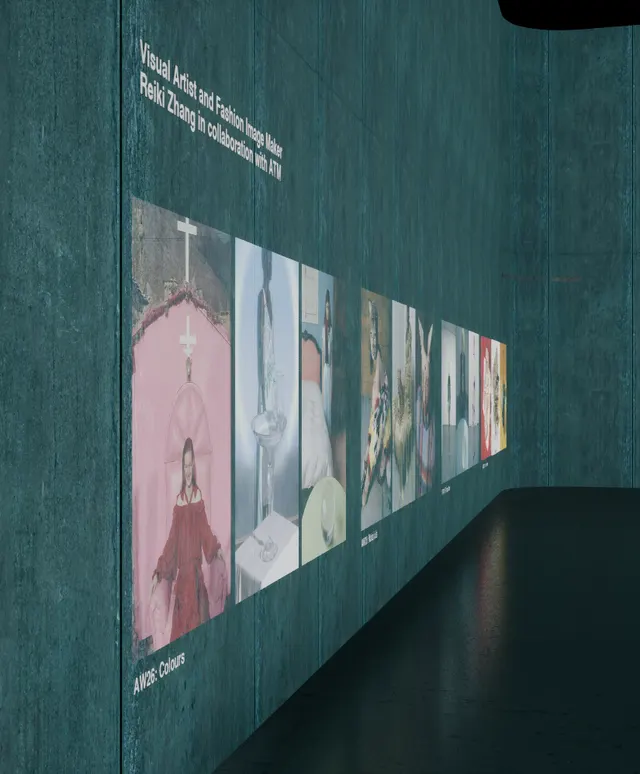
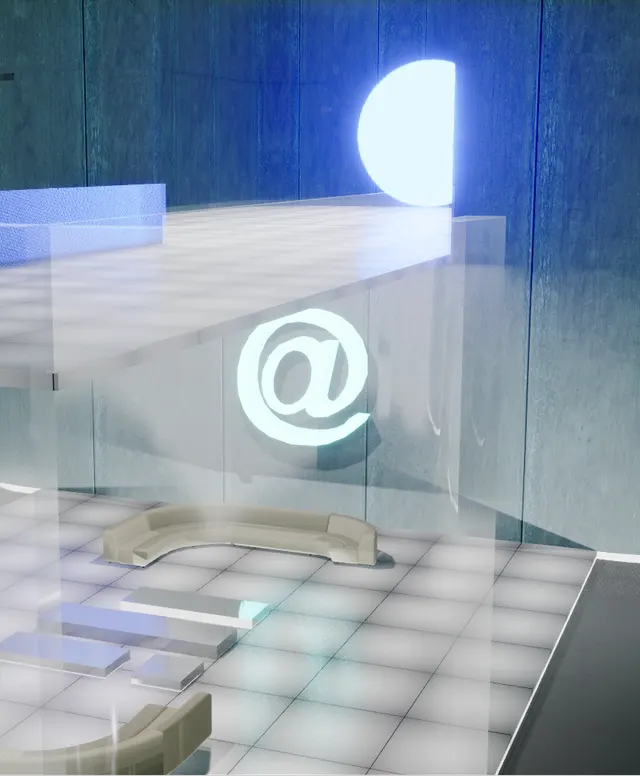
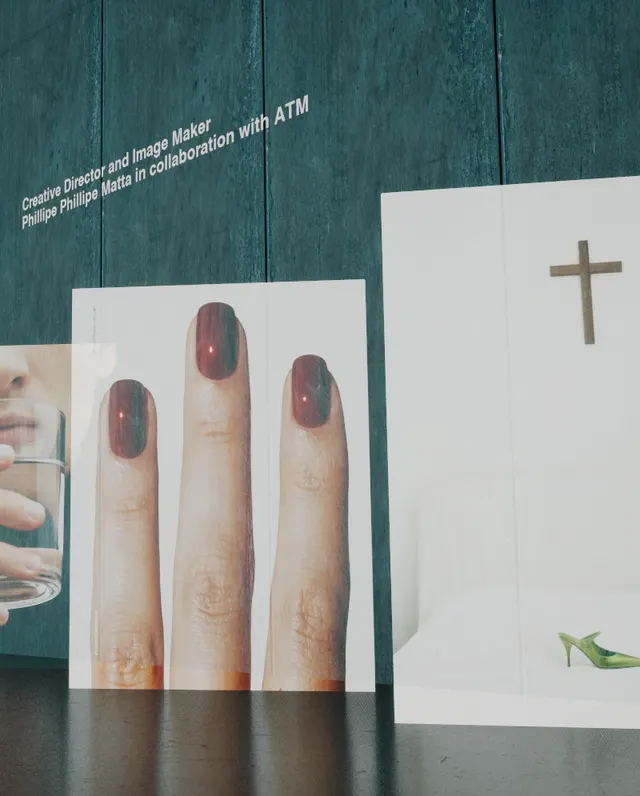
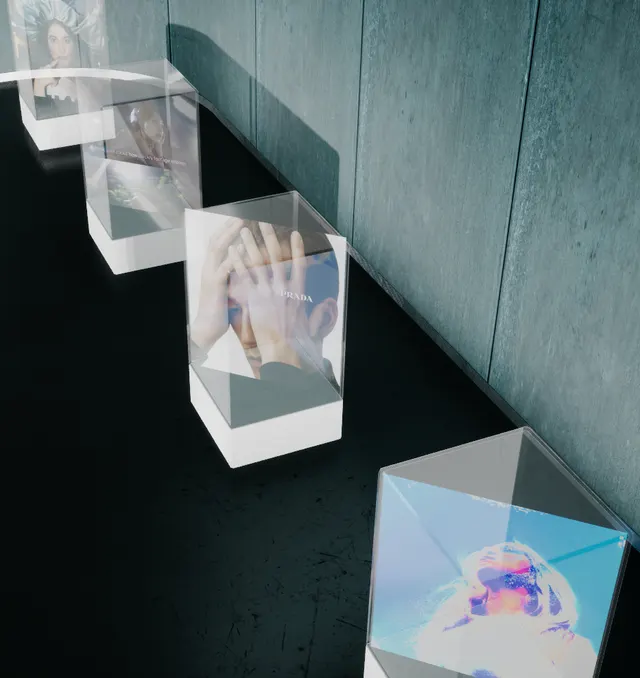
Immersive virtual exhibition, translating Talia Panyi's graduate publication "ATM" into a navigable digital environment through spatial storytelling and interactive display.
Spatial Design, Environment Design, Interaction Design, Dialogue System Design, 3D Design, Creative Development
Unreal Engine (Blueprints, UMG, Data Tables, Media Framework), Blender
THE CIRCUIT MAP
NOVEMBER 2025
Browser-based interactive map, connecting five fashion supply-chain stories across a 3D globe tracing the movement of materials, labour and production through the global fashion system.
Creative Development, UX Design, Interaction Design, Digital Editorial Design, Data Visualisation, Research, Copywriting